•Égypte
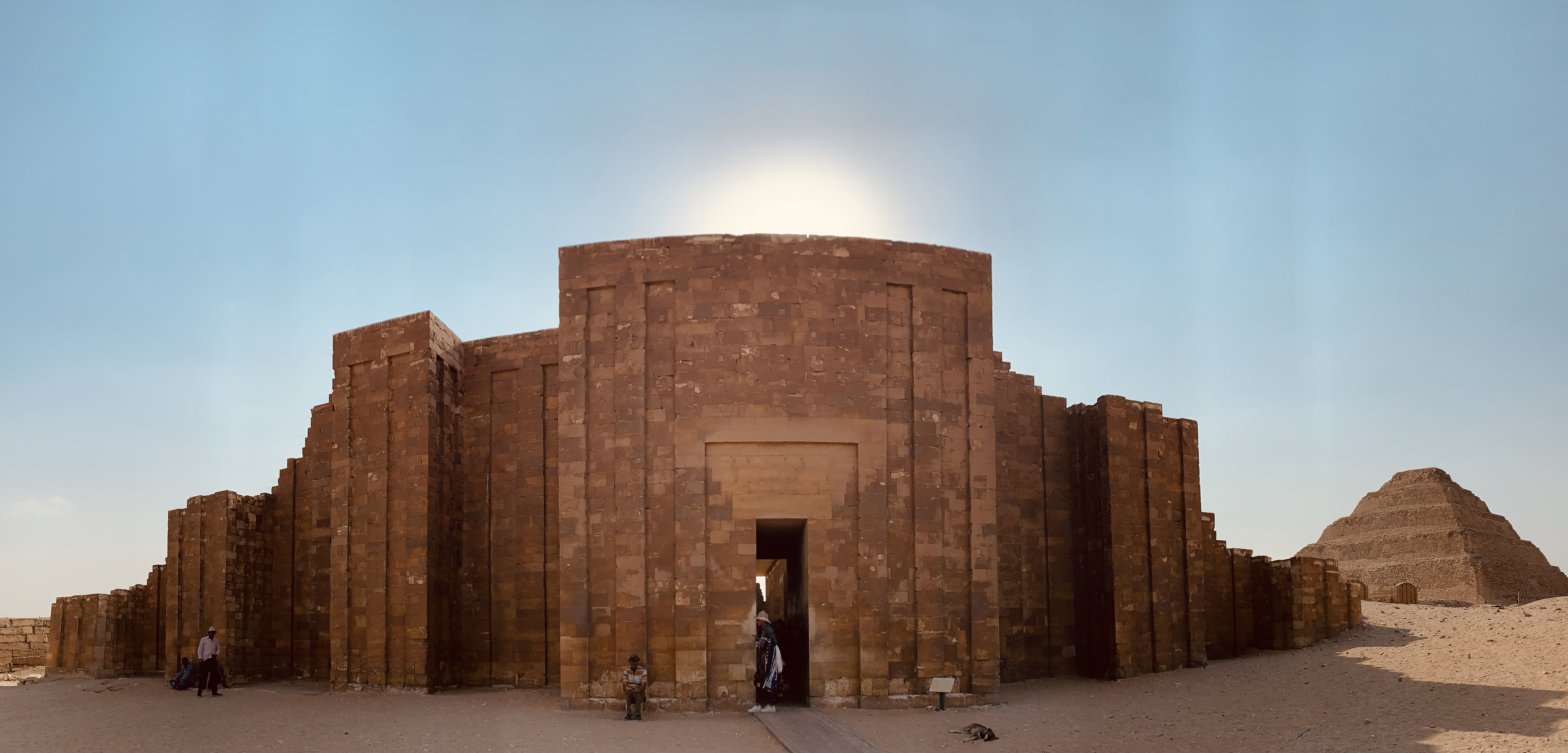
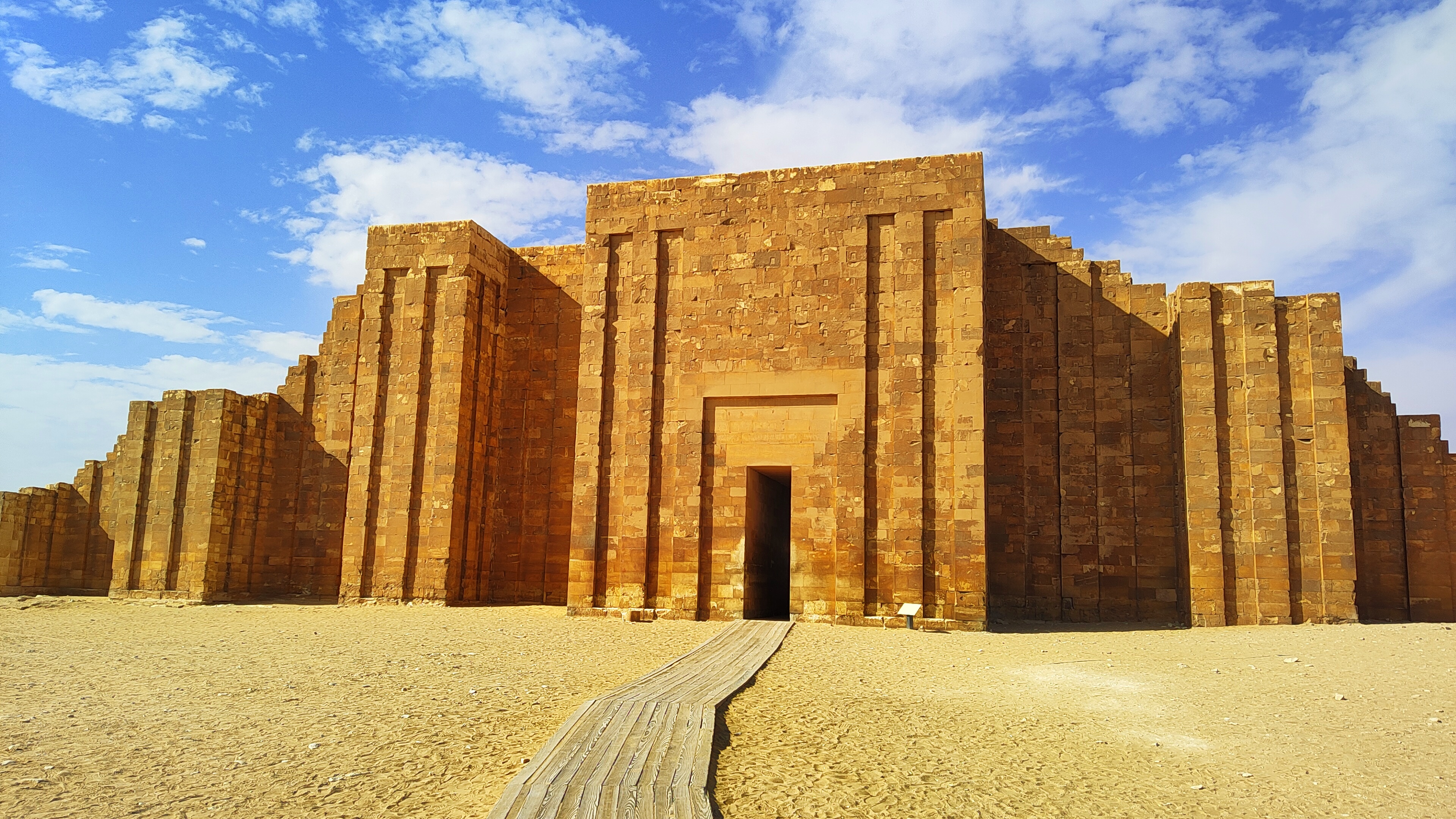
The Colonnade of 48 Columns
The entrance colonnade of the Djoser complex contains 48 columns organized into 3 registers. A singular architectural structure that recalls certain elements of the Quranic account of Surah Yusuf.
Language


Research, Analysis & Theories
Decipher history
Re-read sacred texts
Reconstruct meaning
Question foundations anew
Ancient Egypt, revelation, symbolic architecture, and Quranic numerology: an independent inquiry in progress.
The Acacia Laboratory is an independent research space devoted to studying possible convergences between:
This research follows a progressive investigative approach based on observation, comparison, and analysis.
The laboratory is led by architect Riad Belabbas, who initiated this research and authored the work published on this platform.
Research conducted by architect Riad Belabbas
Structured research texts, in-depth analyses, and thematic dossiers at the heart of the Acacia Laboratory inquiry.
The entrance colonnade of the Djoser complex contains 48 columns organized into 3 registers. A singular architectural structure that recalls certain elements of the Quranic account of Surah Yusuf.
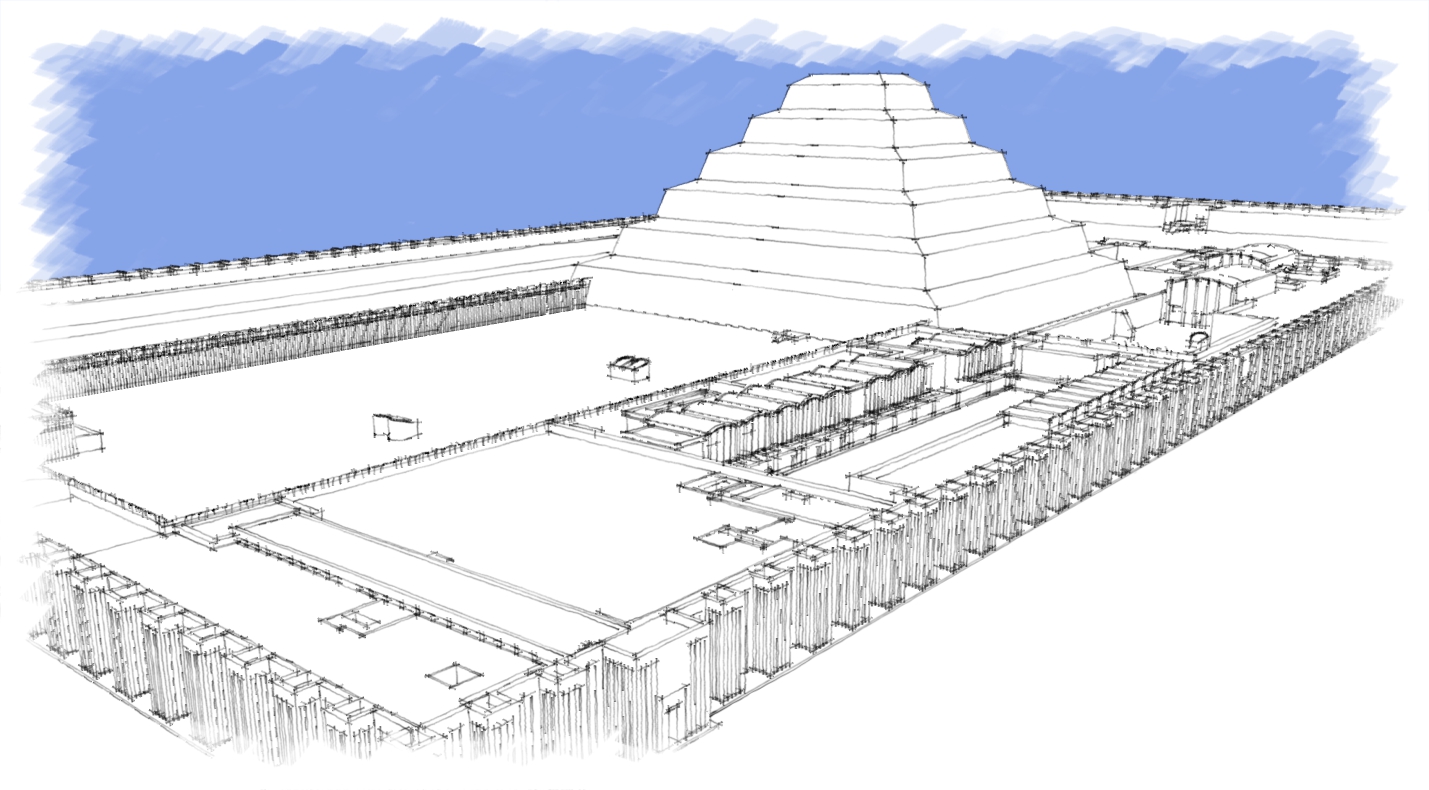
The funerary complex of Djoser at Saqqara is the first monumental stone ensemble in recognized Egyptian history. Its singular architecture and spatial organization continue to raise many questions.
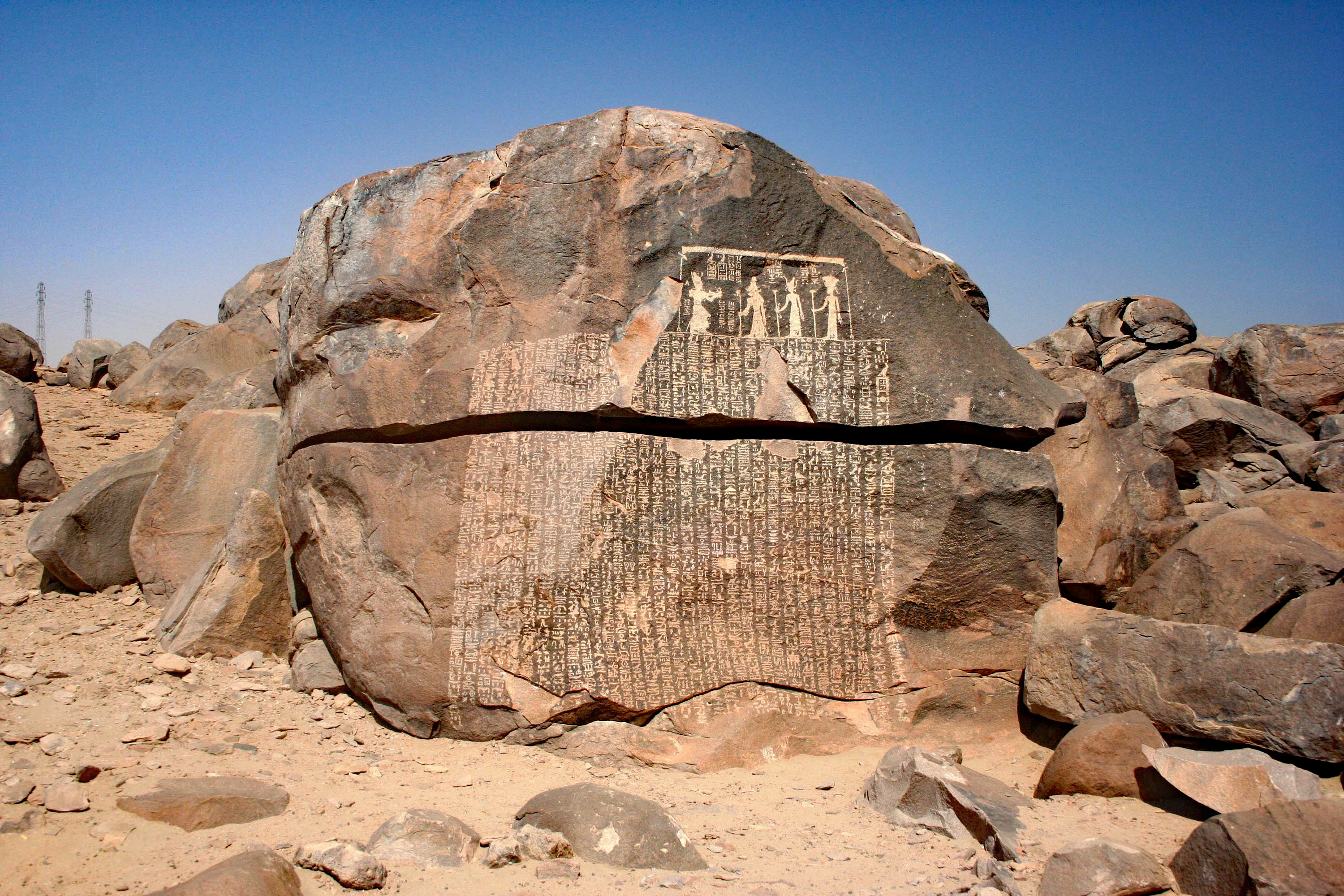
Located on the island of Sehel, the Famine Stele evokes a seven-year crisis during the reign of Djoser. An analysis of a troubling historical document in light of the Quranic narrative of Yusuf.
This section gathers parallel inquiries from the Acacia Laboratory.
As special features, these articles open lines of thought intended to broaden the understanding of questions raised in the main inquiry.
They explore notions, historical contexts, symbolic structures, and intellectual problems needed to illuminate the laboratory’s research.
Some explorations extend the central inquiry. Others open new directions.
All belong to the same approach: deepening the understanding of links between texts, numbers, architecture, and history.
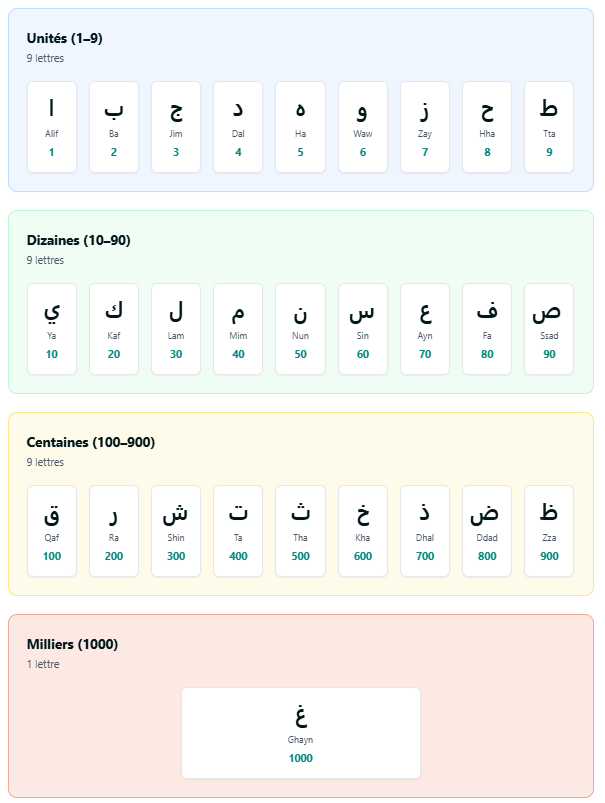
The Abjad system assigns a numerical value to the letters of the Arabic alphabet. Discover its origin, history and links with ancient alphabets, traditional sciences and certain readings of the Quran.
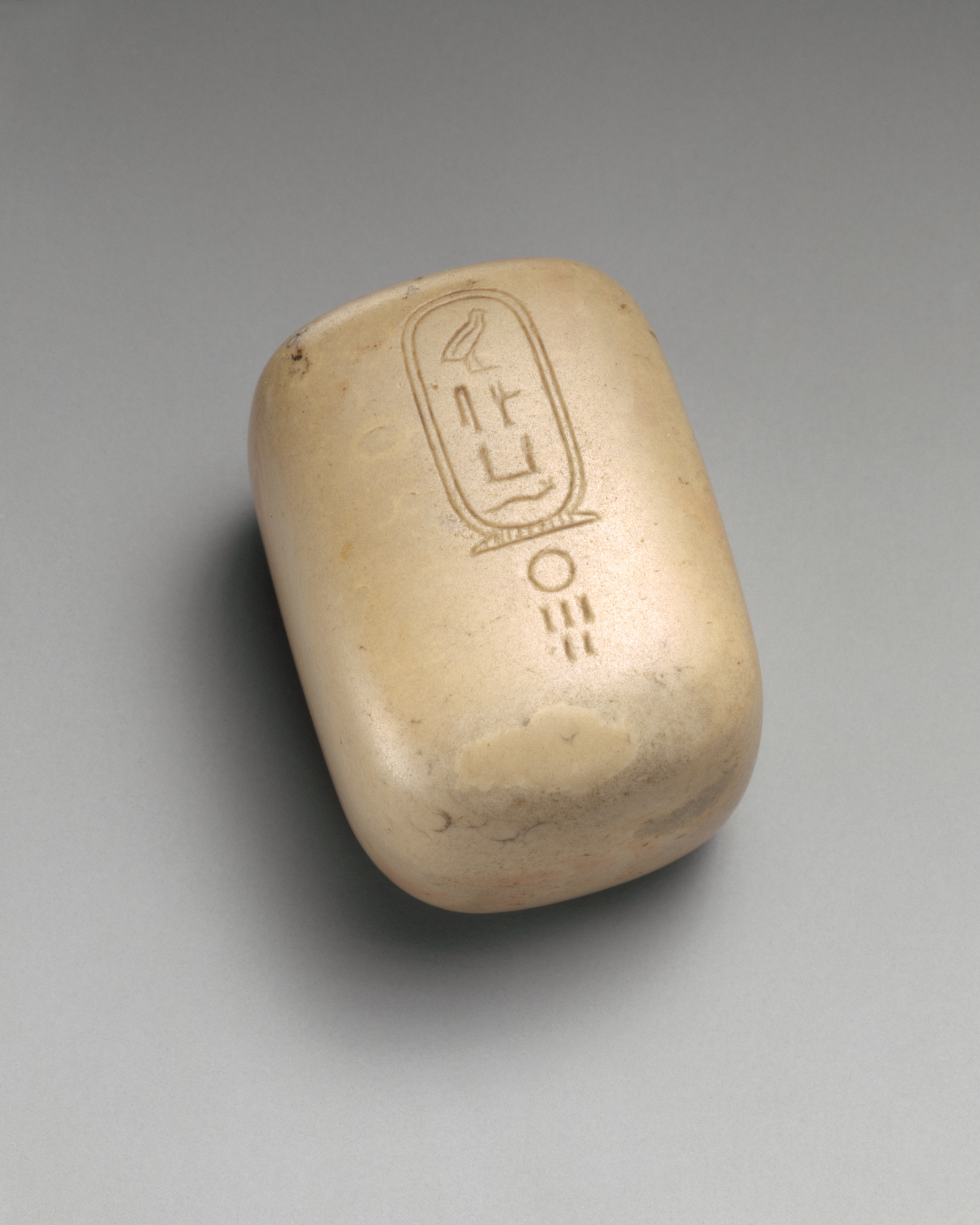
The narrative of Yusuf reveals a structured economy: measures, goods, reserves, metals and value. What if the Deben shed a different light on ancient Egypt?
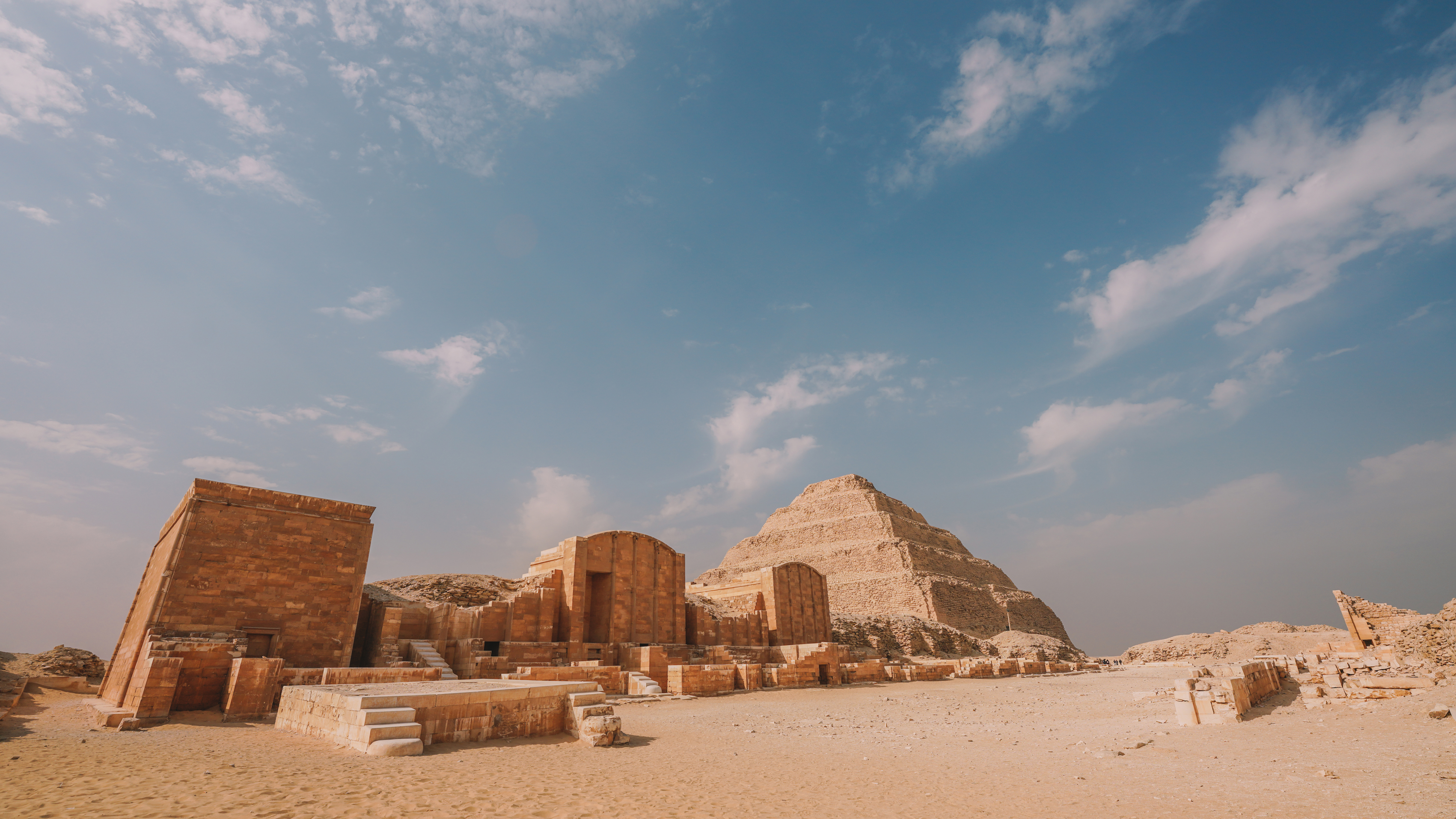
What if Quranic narratives could be reread through the traces left in history? An inquiry between ancient Egypt, architecture and the observation of signs.
Presentation of the approaches and tools used in the laboratory’s research.
First contents coming soon.
A library of concepts, references, and structures analyzed throughout the research.
First contents coming soon.
Applications and tools used to test concepts emerging from the research.
An interactive application for exploring numerical relationships in the Quranic text.
The Acacia Laboratory is the space where Riad Belabbas structures and publishes research on prophetic history, ancient Egypt, and Quranic numerological language.
This work evolves over time through articles, methodologies, and theoretical developments available across the site.